
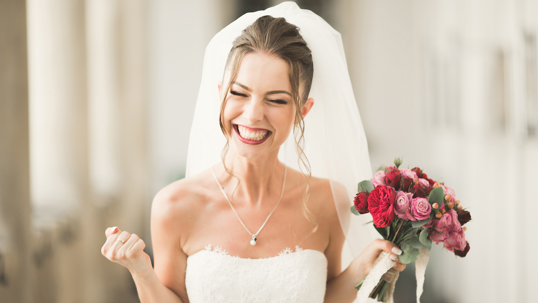
Your wedding planning is the perfect moment to plan your best smile. If you are asking when to start Invisalign before your wedding day, this guide walks you through how far in advance to begin, what happens during treatment, and smart ways to stay on schedule around showers, engagement photos, and the big day. With a thoughtful timeline and a few practical habits, Invisalign can fit smoothly into your wedding prep so you feel confident in every photo. Understanding when to start Invisalign before your wedding day also helps you set realistic milestones and enjoy each event without stress.
Why Choose Invisalign for Your Wedding Smile?
Invisalign offers a discreet, flexible path to straighter teeth that easily aligns with a busy wedding calendar. Clear aligners are barely noticeable in person and in pictures. Because they are removable, you can take them out briefly for important moments without disrupting your plan. With no brackets or wires, there is less chance of irritation, lip and cheek rubbing, or a visible appliance in close-ups.
Compared with traditional braces, Invisalign typically involves fewer in-office appointments and shorter visits, helpful when you are coordinating vendors, fittings, and travel. You can maintain your usual brushing and flossing routine, and simply remove aligners for meals so you can enjoy all your favorite foods. Many people also find Invisalign more comfortable once they adjust to a new set.
Another advantage is predictability. Your orthodontist will map your treatment from consultation through each set of trays, giving you a clear picture of when changes will be noticeable and when you are likely to reach your goals. This allows you to plan engagement sessions, bridal portraits, and rehearsal events with confidence.
We often hear from brides and grooms who begin Invisalign in the months leading up to their weddings. Many see meaningful improvements within a few months, enough to smile more freely in engagement photos and showers. Others finish active treatment before the big day and switch to clear retainers to maintain results. Either way, the cosmetic benefits and flexibility make Invisalign a strong choice for a photoready smile on a wedding timeline.
Ideal Timeline for Starting Invisalign Treatment
The right start date depends on your smile and how much movement is required. Use these general guidelines to plan backward from your wedding and decide when to start Invisalign before your wedding day:
Mild crowding or spacing: Start 6 to 8 months before the wedding. Many mild cases can finish in this window, leaving time for whitening and small refinements.
Moderate alignment needs: Start 9 to 12 months in advance to allow steady progress, minor adjustments, and a comfortable buffer before events.
Complex bite or rotation issues: Plan 12 to 18 months or more ahead to reach your ideal result without rushing.
Several factors influence the total timeline:
Case complexity: Rotations, spacing, and bite corrections usually require more aligners and time.
Wear time: Consistent wear, 20 to 22 hours per day, is essential to stay on schedule.
Tray change interval: Many patients switch every 7 to 10 days; your orthodontist may adjust based on how your teeth respond.
Attachments and elastics: Small tooth-colored attachments and occasional elastics can improve control and speed; they require a brief placement visit.
Scheduling: Travel, work, and events can affect appointment timing and aligner shipments.
To tailor your Invisalign plan to your wedding date, share your full timeline at the consultation. Ask for:
A projected “preview” milestone for engagement photos.
A target completion or refinement date at least a few weeks before the wedding.
If finishing before the big day is unlikely, your orthodontist can aim for a strong cosmetic preview by your photos, then place treatment on a brief hold with a clear retainer the week of your wedding. You can resume any remaining aligners or refinements afterward.
What to Expect During Your Invisalign Treatment
Your journey begins with a consultation and a digital scan to create a personalized plan. You will receive a sequence of aligners designed to move your teeth progressively. Most people change to a new set every 7 to 10 days and see their orthodontist every 6 to 12 weeks for check-ins, new trays, and adjustments. Plan to wear your aligners 20 to 22 hours daily, removing them only for meals, beverages other than water, and oral hygiene.
Common experiences include a snug fit or mild pressure for the first day or two after switching to a new set. Speech may feel slightly different initially, but most adjust quickly, often within 24 to 48 hours. Some teeth may receive small, tooth-colored attachments to help guide movement. These are discreet and typically do not show in photos. If you experience tenderness, over-the-counter pain relievers and changing to a new tray before bedtime can ease the transition.
Build simple habits that fit your wedding schedule:
Keep your aligners and a case with you. Rinse with cool water when removing and brush them gently once or twice a day.
Brush after coffee, tea, and red wine to prevent aligner staining. If brushing is not possible, rinse thoroughly with water.
For tastings, showers, and parties, plan brief aligner breaks for meals and reinsert promptly. Set a phone reminder to maintain wear time.
Carry a small kit, travel toothbrush, floss, aligner case, and travel-size mouthwash, to fittings, venue walkthroughs, and photoshoots.
Traveling for a bachelorette or destination event? Pack an extra previous set of aligners as a backup in case a current tray is lost.
Tips for Managing Invisalign Around Your Wedding Events
With a bit of planning, you can stay on schedule and enjoy every celebration. Consider the following strategies:
Time your tray changes so the first 24 hours of a new aligner do not land on a major event. Switching two nights before engagement photos or a shower allows initial tenderness to subside.
If your schedule is intense, ask whether adjusting to a 10-day change cadence for a week or two makes sense for you.
Brush after meals and colored drinks to avoid staining. Stick to water while aligners are in; remove them for anything else.
Choose clear lip products and non-staining makeup to reduce residue around attachments during close-ups.
Stay hydrated. Dry mouth can make aligners feel snug and may affect speech.
On your wedding day, keep it simple. Wear aligners for most of the day to maintain progress, but you can remove them for the ceremony, portraits, and dinner. Store them in a labeled case in your day-of emergency kit. If you plan to be without aligners for several hours, increase wear time before and after to protect your timeline. Ask a trusted attendant to hold your case and set a subtle reminder to put them back in after photos or the first dance. If you have attachments, they are typically subtle and do not show in pictures; let your photographer guide angles and lighting.
Wedding Countdown: When to Start Invisalign
Months Before Wedding | Recommended Actions | Why It Helps |
18–12 months | Consultation, digital scan, begin treatment for complex cases | Maximizes time for bite corrections and refinements |
12–9 months | Start for moderate cases; plan engagement photo milestones | Allows steady progress and scheduling flexibility |
8–6 months | Begin for mild cases; confirm photo dates with your orthodontist | Many mild cases can complete in this window |
3–2 months | Fine-tune aligners; consider a cosmetic hold for events | Ensures a strong preview smile for showers and portraits |
2–1 months | Plan whitening if movement is complete; schedule final checks | Polishes your look and addresses last details |
2–1 weeks | Pause for the wedding week if advised; wear retainers as directed | Maintains aesthetics and protects results |
Use this countdown as a starting point for mapping when to start Invisalign before your wedding day, then personalize it with your specific event dates, travel, and photo sessions.
Enhancing Your Smile Beyond Invisalign
Once alignment is on track, whitening can elevate your final result. Many patients choose professional whitening after completing active aligner wear or during a retainer phase when movement is finished. Take-home whitening with custom trays offers even, controllable results over several days. If you are short on time, in-office whitening provides a faster change; schedule it at least two weeks before the wedding to allow the shade to stabilize and for any temporary sensitivity to fade.
Additional cosmetic options can refine your smile depending on your goals and timeframe:
Cosmetic bonding to smooth edges and close small residual gaps.
Conservative reshaping (enamel contouring) to enhance symmetry and polish the smile line.
Porcelain veneers for chipped, discolored, or misshapen teeth once alignment is stable.
Discuss these possibilities early if you are targeting a very specific aesthetic for close-up portraits. Your orthodontist and dentist can coordinate timing to avoid overlaps with key events.
To protect your investment, plan for retainers after Invisalign. Most patients start with nightly wear and then transition to a maintenance schedule. Keep retainers clean with gentle brushing and approved cleaners, and replace them if they crack or feel loose. Continue routine dental cleanings and checkups. If timing allows, schedule a quick polish or touch-up whitening a few weeks before the wedding so your smile is bright and camera-ready.
Quick FAQs for Wedding-Focused Invisalign Planning
How soon will I see changes? Many people notice movement within the first 6 to 8 weeks, with more visible progress by 3 to 4 months.
Can I remove aligners for photos? Yes. Brief removal for key moments is fine; wear them diligently before and after to stay on track.
Will attachments show in close-ups? Attachments are tooth-colored and generally discreet. Your photographer can help with angles and lighting.
What if I will not finish before the wedding? Your orthodontist can aim for a strong preview smile, pause with a clear retainer for the wedding week, and resume aligners afterward.
Is whitening safe during treatment? Plan whitening once active movement is complete or during retainer wear for even, predictable results.
Your Next Step
The best time to start Invisalign before your wedding day depends on your unique needs, but planning early gives you flexibility and confidence. Share your event calendar with your orthodontist, set clear milestones for photos, and build simple habits that keep treatment moving. With a personalized plan and consistent wear, you can enjoy a beautifully aligned, bright smile for your engagement photos, your wedding day, and every celebration that follows. If you are still weighing when to start Invisalign before your wedding day, schedule a consultation sooner rather than later so you have the widest range of options and the most relaxed timeline.