
Thinking about clear ceramic braces? They deliver the alignment power of traditional orthodontics with a subtler appearance. Before you begin, it helps to know how they function, what everyday life feels like with them, and how they compare with other treatments. Use this guide to understand what to know before getting clear ceramic braces, set expectations, weigh benefits and trade-offs, and feel confident in your decision.
Understanding Clear Ceramic Braces
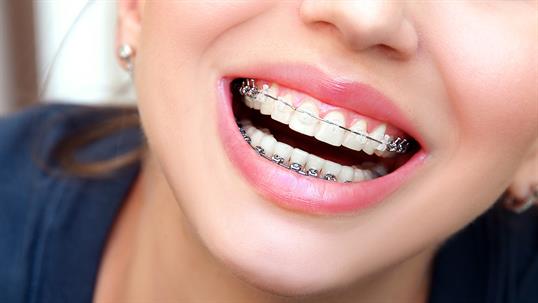
Clear ceramic braces use brackets made from high-strength ceramic that are either tooth-colored or translucent. These ceramic brackets are bonded to the front of your teeth and connected by a slim archwire. As your orthodontist adjusts the wire over time, controlled forces guide your teeth into better alignment.
Because ceramic brackets blend with the natural shade of your teeth, they are less noticeable in conversation and photos than shiny metal hardware. Both ceramic and metal braces are effective at moving teeth, but ceramic brackets can be a bit bulkier and more brittle. For a balance of aesthetics and resilience, some patients choose ceramic brackets on the upper front teeth and metal brackets on lower teeth where forces are higher.
Advances in materials and design have improved comfort and durability. Many modern ceramic brackets feature smooth, contoured edges and slot designs that help reduce friction between the archwire and bracket. Specialized ligatures may also be used to support efficient tooth movement while maintaining a discreet look.
Benefits of Clear Ceramic Braces
Low-profile appearance: Brackets are designed to blend in, making treatment less noticeable at work, school, and social events.
Comfort-focused design: Polished surfaces and rounded profiles can reduce rubbing against cheeks and lips once you adjust to wearing braces.
Versatility in treatment: Ceramic systems can address many concerns, including crowding, spacing, overbites, underbites, and crossbites. In many cases, they offer the same level of control as metal braces, allowing precise adjustments over the course of treatment.
For teens and adults who want a straighter smile without calling attention to their braces, ceramic brackets provide a confident, professional look throughout the process.
Potential Drawbacks to Consider
Higher cost: Ceramic braces generally cost more than standard metal braces and may be comparable to or slightly less than some clear aligner options, depending on your case and location. Insurance benefits vary, so review coverage and discuss payment plans in advance.
Durability considerations: While strong, ceramic brackets are more prone to chipping or fracture than stainless steel, especially under heavy biting forces. Your orthodontist may advise avoiding habits like chewing ice or pens and recommend metal brackets on teeth that experience higher stress.
Friction and timing: Some ceramic systems can create more friction on the wire, which could affect treatment speed. Modern low-friction designs and careful planning help minimize this risk.
Ligature discoloration: The ceramic material itself resists staining, but the elastic ties that hold the wire can discolor from foods and drinks like coffee, tea, curry, and red wine. Good hygiene and routine tie changes at adjustment visits keep things fresh-looking.
With proper care and guidance, most patients manage these trade-offs comfortably. Clear communication with your orthodontist ensures your plan matches your goals and lifestyle, especially when reviewing the pros and cons of ceramic braces as they relate to your specific needs.
Treatment Process and Expectations
Every successful orthodontic plan starts with a comprehensive evaluation. Your visit typically includes photos, X-rays, and either a digital scan or impressions. Your orthodontist will examine your bite, talk through your goals, and determine whether ceramic braces are a good fit. You will compare alternatives such as metal braces or clear aligners and review a customized plan with estimated timelines and costs.
Most treatments with ceramic braces run 12 to 24 months. Simple alignment needs can finish sooner, while complex bites may take longer. Expect appointments every 6 to 10 weeks for adjustments, wire changes, and to replace elastics. Mild soreness after visits is common and usually improves within a day or two.
Daily care is essential for comfort and results:
Brush after meals with a soft-bristled brush and fluoride toothpaste to remove plaque around brackets and along the gumline.
Floss once daily using floss threaders, interdental brushes, or a water flosser to reach under the wire and between teeth.
Follow food guidelines: Limit very hard or sticky items such as ice, hard nuts, caramel, and taffy to prevent bracket or wire damage.
Manage staining: Rinse with water after dark beverages and consider using a straw to reduce contact with elastic ties. Your orthodontist will replace ties regularly.
Consistent hygiene helps prevent white spot lesions, gum inflammation, and staining, supporting a healthy smile throughout treatment. Keep a checklist of what to know before getting clear ceramic braces, including diet changes and cleaning tools that work best for you.
Ceramic vs. Other Orthodontic Options
Option | Appearance | Durability | Treatment Scope | Typical Cost |
Ceramic Braces | Discreet; tooth-colored or translucent brackets | Strong, but more brittle than metal | Suitable for mild to complex cases | Higher than metal; varies by case |
Metal Braces | More visible | Highly durable and efficient | Suitable for all case types | Generally most affordable |
Clear Aligners | Nearly invisible and removable | Removable trays; depends on compliance | Best for mild to moderate cases in many situations | Comparable to ceramic or higher, depending on complexity |
Your orthodontist can help you compare aesthetics, comfort, and efficiency to decide which approach aligns with your goals and daily routine. This side-by-side view supports a balanced look at the pros and cons of ceramic braces versus other choices.
Is Clear Ceramic Right for You?
Think about visibility, lifestyle, and budget. If you want a low-profile alternative to metal braces without relying on removable trays, ceramic brackets are an excellent middle ground. Be prepared to follow a thorough hygiene routine and make minor diet adjustments to protect your hardware and maintain a clean appearance between visits.
Good candidates include teens and adults seeking a discreet look with mild to complex alignment needs. If you have a deep bite or grind your teeth, your orthodontist may recommend metal on certain teeth for added durability or a hybrid approach that places ceramic on the most visible teeth. The goal is to balance aesthetics, strength, and efficiency for your unique bite while understanding what to know before getting clear ceramic braces in your specific situation.
The best next step is a professional consultation. During your visit, you will review photos and scans, compare bracket options, and discuss timelines, costs, insurance, and payment plans. Bring questions about comfort, staining, and maintenance so your orthodontist can tailor guidance to your lifestyle. With clear expectations and a personalized plan, and an understanding of the pros and cons of ceramic braces, you can move forward confidently toward a straighter, healthier smile.