
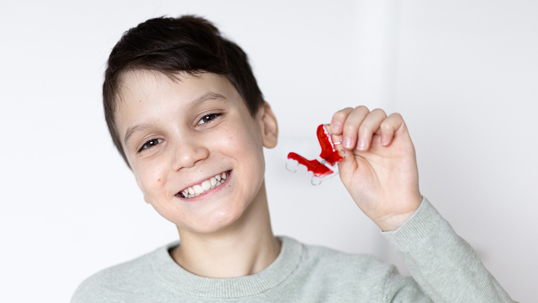
Completing orthodontic treatment is a big achievement, but keeping your smile aligned requires consistent follow-through. Retainers are essential for preventing orthodontic relapse, which happens when teeth drift toward their pre-treatment positions. With smart retainer habits and preventing relapse strategies, consistent retainer usage, thorough cleaning, and regular follow-ups, you can protect your results for the long term.
Understanding Orthodontic Relapse
Orthodontic relapse is the unwanted shifting of teeth after braces or aligner treatment. Although teeth may look straight when treatment ends, the bone and periodontal ligaments around them need time to stabilize. Without proper retention, natural forces can nudge teeth back. Adopting strong retainer habits and preventing relapse plans early helps minimize the chance of movement.
Several factors can contribute to movement after treatment:
Inconsistent retainer wear or gaps in retainer usage
Growth and jaw changes in teens and young adults
Natural aging of the bite and facial muscles
Pressure habits like clenching, nail biting, or tongue thrusting
Dental issues such as gum disease or tooth loss that alter bite forces
Retention is vital because orthodontics affects both teeth and the tissues that hold them. Retainers keep teeth steady while bone and ligaments remodel. Most people need some level of retainer usage indefinitely to minimize gradual shifting. Clear, consistent retainer habits and preventing relapse thinking, like wearing appliances on schedule and attending check-ins, make a measurable difference.
The Role of Retainers in Preventing Relapse
Retainers maintain corrected tooth positions by applying gentle, stabilizing forces. Immediately after active treatment, tissues are still remodeling and more prone to movement. A well-fitted retainer holds teeth in place until those new positions become more secure. Adhering to prescribed retainer usage is central to preventing relapse.
There are two main categories of retainers:
Fixed (bonded) retainers: A thin wire bonded behind the front teeth, usually canine to canine. Benefits include 24/7 stability without relying on patient compliance and an invisible appearance from the front. They require meticulous flossing and periodic evaluations.
Removable retainers: Clear thermoplastic trays (often Essix-style) and traditional Hawley retainers made of acrylic and wire. Clear trays are discreet and provide full-arch coverage. Hawley retainers are durable, adjustable, and allow slight bite settling. Success depends on consistent wear and proper storage.
Wear schedules vary by patient and treatment. A common plan includes full-time wear (about 20–22 hours per day) for the first 3–6 months, followed by nightly wear for another 6–12 months. Many patients benefit from long-term nighttime wear a few nights a week to guard against slow, natural shifting. Fixed retainers may remain in place for many years, supported by routine monitoring. Consistent retainer usage, and the retainer habits and preventing relapse mindset that goes with it, helps ensure long-term stability.
Best Practices for Retainer Care
Daily cleaning keeps retainers fresh, effective, and comfortable. Good retainer habits and preventing relapse care routines include proper hygiene and safe storage every day.
Removable retainers: Rinse with cool water when you remove them. Brush gently with a soft toothbrush and a mild, non-abrasive liquid soap. Avoid toothpaste, hot water, and harsh chemicals that can scratch acrylic or warp plastic. Use a retainer or denture-cleaning soak as directed (often once or twice weekly) to control buildup.
Fixed retainers: Floss daily with floss threaders or use interdental brushes to clean under the wire and along the gumline. Pay extra attention where plaque tends to accumulate.
Smart storage prevents loss and damage:
Always place removable retainers in a ventilated case when they are not in your mouth.
Keep the case clean, dry, and labeled with your name.
Never wrap a retainer in tissues or napkins, and do not leave it in a hot car or near heat sources. Pets, especially dogs, are attracted to retainers, store them out of reach.
Know when to replace or repair a retainer. Signs to watch for include:
Clear trays: Cracks, warping, persistent cloudiness, or a fit that feels unusually loose or tight.
Hawley retainers: Bent or broken wires, loose or cracked acrylic, or rough edges.
Fixed retainers: Detached bonding, a poking wire, or the return of crowding or spacing.
If you notice any of these issues, contact your orthodontic provider promptly to prevent unwanted tooth movement. Staying proactive with retainer habits and preventing relapse steps, like quick repairs and consistent retainer usage, limits setbacks.
Building Good Retainer Habits
Consistency is the single most important factor for preventing relapse. Make retainer wear part of your routine, just like brushing and flossing. Thoughtful retainer habits and preventing relapse routines help you stick to your plan day after day.
Put your retainer in right after your nighttime brushing and flossing.
After meals, brush or rinse before reinserting to reduce plaque, odors, and stains.
Carry a retainer case with you so you never have to set your retainer on a surface or wrap it in a napkin.
Use tools that support consistency:
Set smartphone alarms or calendar reminders for bedtime wear.
Link retainer wear to existing habits, like placing the case by your toothbrush or on your nightstand.
Keep a spare case in your bag, backpack, or desk to avoid misplacing your retainer when you are away from home.
Schedule regular checks to stay ahead of problems. During routine dental cleanings, ask your dentist or hygienist to check the retainer and the teeth it supports. Periodic orthodontic visits ensure your retainer fits properly, the bonded wire (if present) is intact, and your bite remains stable. Small adjustments made early can prevent larger shifts later. Combining steady retainer usage with timely evaluations is a reliable approach to preventing relapse.
Common Retainer Questions and Answers
What should you do if you lose or break your retainer?
Call your orthodontic office as soon as possible. The longer you go without a retainer, the higher the risk of movement. If you have a backup, wear it immediately. For a broken fixed retainer, do not bend or pull on the wire. Use orthodontic wax to cover sharp spots and schedule a repair. Quick action keeps retainer habits and preventing relapse efforts on track.
How do you adjust to wearing a retainer?
A snug feeling or mild pressure is normal for a few days. If needed, ease into the schedule by starting with shorter intervals and building up to the prescribed wear time. Practice reading aloud for a few minutes a day; any slight lisp associated with new removable retainers usually fades quickly. Consistent retainer usage during this period helps your mouth adapt faster.
What if you experience discomfort or a poor fit?
A retainer should be snug but not painful. Do not force a retainer that will not seat fully. Sore spots, gum blanching, or a change in fit can signal warping or tooth movement. Contact your orthodontic provider to determine whether an adjustment or replacement is needed. If a fixed retainer feels sharp, comes loose, or traps food excessively, schedule a repair. Persistent bad breath or a sour taste may indicate inadequate cleaning, review your hygiene routine and consider a professional cleaning for the appliance. Addressing issues promptly supports retainer habits and prevents relapse goals.
Bottom line: Wear your retainer as directed, clean it daily, store it safely, and keep up with check-ins. With simple, consistent retainer habits and preventing relapse strategies, and a commitment to regular retainer usage, you can maintain your hard-earned smile for years to come.