
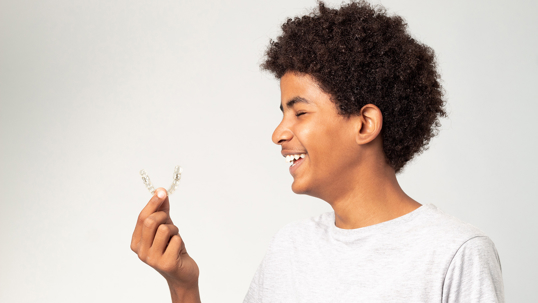
Thinking about braces vs Invisalign? Both options can transform your smile safely and predictably, yet they differ in appearance, daily experience, and how they fit your routine. This guide explains how each treatment works, which issues they treat best, and what to expect for comfort, care, cost, and timing, so you can make a confident decision. When you compare braces vs Invisalign, focus on how each method aligns with your goals and lifestyle.
Understanding Orthodontic Treatments
Orthodontic treatment corrects misalignments of the teeth and jaws, often referred to as malocclusions. Braces and clear aligners can address crowding, spacing, overbites, underbites, crossbites, open bites, and teeth that are rotated or tipped. They can also improve how the upper and lower teeth fit together and, in growing patients, help guide jaw development. While both methods move teeth, the best choice depends on your case complexity, goals, and lifestyle.
Aligned teeth support oral health in several ways. When your bite fits together properly, chewing becomes more efficient, enamel wears more evenly, and pressure on the jaw joints can be reduced. Straighter teeth are easier to brush and floss, which helps lower the risk of cavities, gum disease, and bad breath. In some situations, alignment can improve speech and reduce cheek or tongue biting.
There is also a meaningful confidence boost that comes with a well-aligned smile. Many patients feel more comfortable at work, in social situations, and in photos after treatment. Whether you choose braces or Invisalign, the destination is the same: a healthy, balanced bite and a smile you love to share.
How Braces Work
Braces use a system of small components to gently guide teeth into better positions. Brackets are bonded to the front of your teeth and connected by an archwire that provides continuous, steady pressure. Elastic ties or clips hold the wire in place. Your orthodontist may also use auxiliaries such as elastics (rubber bands), coil springs, or power chains to close spaces and fine-tune bite relationships.
During regular visits, your orthodontist adjusts the system to keep tooth movement on track. Appointments may involve changing the wire, modifying elastics, or adding other elements. Mild soreness is common for a day or two after adjustments and typically eases as you adapt. Most patients are seen every 4 to 10 weeks, depending on treatment stage and goals.
Braces come in different styles to match your preferences. Metal braces use strong stainless-steel brackets and are highly efficient for a wide range of cases. Ceramic braces work similarly but use clear or tooth-colored brackets that blend more naturally with teeth for a lower-profile look.
How Invisalign Works
Invisalign straightens teeth with a series of clear, removable aligners that fit comfortably over your teeth. Each set of aligners is designed to apply precise, gentle forces to specific teeth, gradually guiding them toward their final positions. You typically switch to a new set every one to two weeks. The aligners are made from smooth, BPA-free plastic and are designed for clarity and comfort.
The process starts with a consultation and a digital scan or impression of your teeth. Using advanced planning software, your orthodontist maps each step of your tooth movements and creates a custom plan. You will receive a series of aligners with wear instructions. Most people wear aligners 20 to 22 hours per day, removing them only for meals, drinks other than water, and oral hygiene. Periodic check-ins help ensure your progress is on track; if refinements are needed, additional aligners can be made to achieve the planned result.
Small tooth-colored attachments may be placed on certain teeth to help aligners grip and move them more efficiently. Elastics can also be used with aligners to correct bite issues. Because every smile is unique, aligners are customized to your tooth shape, bite, and goals, which supports predictable outcomes while keeping your treatment discreet.
Braces vs Invisalign: Which Is Best for Your Case?
Both braces and Invisalign effectively straighten teeth and improve bite function, but each excels in different scenarios:
Braces are often ideal for moderate to severe crowding, significant gaps, complex rotations, deep bites, crossbites, and cases involving impacted teeth or notable jaw discrepancies. Because braces are fixed in place, they provide continuous force and very precise control, important advantages for complicated movements.
Invisalign is an excellent choice for mild to moderate crowding or spacing, relapse after past orthodontic treatment, and many bite corrections when combined with attachments and elastics. Patients who value a nearly invisible look and the convenience of removing aligners for meals and brushing often prefer this option. Consistent wear is critical; if you cannot keep aligners in for the recommended 20 to 22 hours per day, braces may be a better fit.
Your orthodontist will assess your needs by reviewing your dental and medical history, taking X-rays and photos, and performing a 3D scan to study tooth and jaw relationships. They will discuss your goals, such as speed, appearance, comfort, and budget, and recommend the option that matches your priorities and lifestyle. Success rates are high with both approaches when patients follow instructions. The best results come from an accurate diagnosis, a thoughtful treatment plan, and consistent at-home care. When considering braces vs Invisalign, these clinical factors help pinpoint the most efficient and predictable route.
Comfort, Lifestyle, and Daily Care
Life with braces or aligners looks a little different day to day. Understanding the routine can help you choose the right path for your schedule and habits.
Daily life with braces
Oral hygiene: Brush around brackets and wires using a soft-bristled toothbrush and fluoride toothpaste. Interdental brushes and floss threaders help clean under the wire and along the gumline.
Food choices: Avoid very hard, sticky, or chewy items such as ice, caramel, gummy candy, and certain nuts that can damage brackets or dislodge wires.
Sports protection: Wear a mouthguard during sports to protect your braces and teeth.
Comfort: You may notice tenderness after adjustments. Orthodontic wax can cushion brackets that rub, and over-the-counter pain relievers or warm saltwater rinses can ease discomfort.
Daily life with Invisalign
Eating and drinking: Remove aligners for meals and drinks other than water. There are no food restrictions while aligners are out.
Hygiene: Brush and floss after meals before putting aligners back in to avoid trapping food and plaque.
Aligner care: Clean aligners daily with a soft brush and cool water. Avoid hot water, which can warp the plastic.
Consistency: Aligners rely on your discipline. Not wearing them as directed or misplacing them can lengthen treatment time.
Mild soreness is normal for both treatments, especially after adjustments or when switching to a new aligner. Most patients adapt quickly to speaking and daily activities. If a bracket loosens or a wire pokes, your orthodontic team can guide you on next steps. Aligners generally feel smooth and comfortable, though they may feel snug for the first day or two with each new set.
Cost and Treatment Duration
The cost of braces and Invisalign varies based on case complexity, location, and overall treatment time. For many mild to moderate cases, fees are comparable. More complex treatments that require additional appointments, special techniques, or extended timelines can increase costs regardless of the system used.
Insurance often provides an orthodontic benefit that applies to both braces and clear aligners. This coverage is common for patients under 18, and many adult plans include benefits as well. Policies typically pay a percentage of the total fee up to a lifetime maximum. During your consultation, you will receive a personalized estimate for your treatment, including any necessary add-ons such as attachments, elastics, or retainers after active treatment.
Our team can help you review your insurance, submit claims, and design a payment plan that works for your budget. Many patients also use pre-tax funds from a Flexible Spending Account (FSA) or Health Savings Account (HSA) for eligible orthodontic expenses.
Treatment time depends on your starting alignment, bite complexity, and adherence to instructions. Many cases finish in 12 to 24 months. Simpler corrections can take less time, whereas comprehensive bite changes may take longer. Braces work continuously and are not dependent on wear time, which can be helpful for younger patients or those who prefer a more hands-off approach. Invisalign can be equally efficient when worn as directed; consistent wear is the key to staying on schedule. After active treatment, retainers are essential for maintaining your results, no matter which method you choose.
Braces vs Invisalign: Pros and Cons
Feature | Braces | Invisalign |
Visibility | Metal is noticeable; ceramic brackets are lower profile | Clear and discreet |
Removability | Fixed in place 24/7 | Removable for eating and hygiene |
Case complexity | Often preferred for complex movements and severe bite issues | Well suited for mild to moderate cases; can handle many bites with attachments and elastics |
Hygiene | Requires brushing and flossing around brackets and wires | Teeth are easier to clean when aligners are out |
Food restrictions | Avoid hard, sticky, or chewy foods | No restrictions while aligners are removed |
Compliance needs | Works continuously without patient action | Requires 20–22 hours of daily wear |
Comfort | Initial rubbing possible; wax can help | Generally smooth; snug when switching to new trays |
Follow-up visits | Adjustments every 4–10 weeks | Check-ins to monitor tracking; new aligner sets every 1–2 weeks |
Who Makes a Good Candidate?
The right choice depends on your clinical needs and lifestyle. Consider the following when deciding between braces and Invisalign:
Complexity of your bite: Severe crowding, rotated teeth, impacted teeth, and certain jaw discrepancies may be best addressed with braces.
Appearance preferences: If you prefer minimal visibility, Invisalign or ceramic braces may be appealing.
Discipline and routine: If you are confident you can wear aligners 20–22 hours per day and keep track of them, Invisalign can be a great fit. If not, fixed braces remove the guesswork.
Oral hygiene habits: Aligners allow you to brush and floss normally. With braces, you will need to spend extra time cleaning around hardware.
Diet and lifestyle: If you enjoy crunchy or sticky foods and do not want to limit your diet, aligners may be more convenient.
Activity level: If you play contact sports, you will need a protective mouthguard with braces. Aligners must be stored safely during athletics if removed.
An in-person evaluation is the best way to understand your options. After reviewing your goals and examining your teeth and bite, your orthodontist will recommend the treatment designed to deliver the best results for your situation. A side-by-side discussion of braces vs Invisalign during your visit can help you weigh priorities like aesthetics, effort, and timing.
What to Expect During Treatment
With braces
Bonding appointment: Brackets are placed and connected by a wire. You will receive instructions on brushing, flossing, and foods to avoid.
Adjustments: Scheduled visits keep your progress on track and allow for fine-tuning. Expect brief soreness after changes.
Managing minor issues: Orthodontic wax helps with irritation. Call your orthodontist if a wire pokes or a bracket loosens.
Completion: When teeth and bite are aligned, braces are removed and retainers are made to preserve your result.
With Invisalign
Digital planning: A 3D scan maps your tooth movements. You will preview the planned outcome and receive your first sets of aligners.
Daily wear: Aim for 20–22 hours per day. Switch to new aligners per your schedule, typically every one to two weeks.
Progress checks: Short check-ins confirm teeth are tracking as planned. Refinement aligners can be ordered if needed.
Completion: When your goals are achieved, you will transition to retainers to maintain your new smile.
Retainers: Protecting Your Results
Teeth have a natural tendency to shift after treatment, which is why retainers are essential for long-term stability. Your orthodontist will recommend a retainer type and wear schedule tailored to your needs. Most patients start with full-time wear and then transition to nighttime wear. Keeping up with retainers preserves the time and investment you put into treatment, whether you choose braces or Invisalign.
Frequently Asked Questions
Will one option move teeth faster? Treatment speed depends more on your specific case and how closely you follow directions than on the appliance itself. Braces and aligners can be similarly efficient when used correctly.
Are there age limits for braces or Invisalign? Healthy teeth and gums can be moved at almost any age. Many teens and adults benefit from both options.
Can I switch from one method to the other? In some cases, yes. Your orthodontist can advise whether transitioning, from aligners to braces or vice versa, would improve your results.
Do aligners hurt less than braces? Both can cause temporary soreness as teeth move. Many patients find aligners feel smoother, while braces may cause rubbing early on. Discomfort typically fades within a few days after each adjustment or tray change.
How often will I need appointments? Braces typically require visits every 4 to 10 weeks. With Invisalign, you will have periodic check-ins and change aligners at home according to your schedule.
Choosing Between Braces and Invisalign
When comparing braces vs Invisalign, there is no single right answer for everyone. Consider how each option aligns with your goals for appearance, convenience, hygiene, budget, and lifestyle. Both methods can deliver outstanding results when planned and monitored by an experienced orthodontist and when you follow the recommended care instructions.
If you are ready to explore your options, schedule a consultation. A comprehensive exam and personalized plan will help you decide which path, braces or Invisalign, will give you the confidence, comfort, and long-term stability you want from your smile. A clear view of braces vs Invisalign, guided by professional advice, ensures your treatment choice supports both your health and your daily life.