
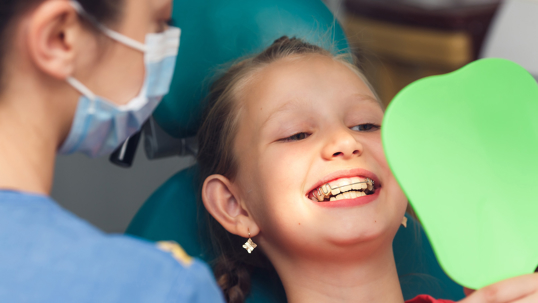
Most braces treatments take 12 to 24 months, but your exact timeline depends on your goals, how complex the tooth and bite movements are, the type of braces or appliances used, and how closely you follow your orthodontist’s instructions. So, how long does it take to complete treatment with braces? The answer varies by case, but careful planning and consistent care help keep you on schedule. Individualized plans with clear milestones let you know what to expect from your first consultation to the day your braces come off, and how to maintain your results long-term.
Typical Timeline: From Consultation to Removal
Every smile is unique, but most patients fit into three general ranges:
Short: 6 to 12 months for minor alignment or finishing cases
Typical: 12 to 24 months for most crowding and bite corrections
Extended: 24 to 36+ months for complex bite issues or multi-phase care
Your orthodontist will estimate a timeline during planning and refine it as treatment progresses.
Consultation and records (1 to 3 weeks): Your first visit includes an exam, photos, digital scans or impressions, and X-rays. Goals are reviewed, options are discussed, and costs and insurance are outlined. If you’re ready to proceed, the placement appointment is scheduled.
Treatment planning (1 to 4 weeks): Using your records, the orthodontist maps precise tooth movements and determines if additional procedures are recommended (such as extractions or expanders). You receive a projected timeline and a visit schedule, typically every 6 to 10 weeks.
Braces placement (60 to 120 minutes): Brackets are bonded and wires are placed. Expect mild soreness for a few days as your teeth acclimate. You receive guidance on brushing, flossing, diet, and managing minor discomfort.
Active adjustments (6 to 24 months): At each visit, your orthodontist may change wires, add bends, place power chains, or introduce elastics and other appliances. Early months focus on alignment and leveling; later months refine bite and tooth relationships. Appointments are usually every 6 to 10 weeks based on your needs.
Finishing and detailing (1 to 3 months): Final adjustments perfect the bite, fine-tune tooth positions, and ensure the upper and lower teeth work well together. Strong compliance throughout can make this phase brief.
Removal and retention (same day for removal; retention is ongoing): Braces are removed, adhesive is cleaned, and retainers are delivered or impressions are taken. Wearing retainers as directed keeps your results stable, retention is essential to prevent drift.
Key Factors That Affect Treatment Duration
Severity and type of correction: Mild crowding or spacing can resolve in 6 to 12 months. Moderate to severe crowding, significant spacing, rotations, or bite corrections (overbite, underbite, open bite, crossbite) typically take 12 to 24+ months. Complex cases involving jaw width changes or impacted teeth may extend beyond two years.
Age and biology: Orthodontic tooth movement works at any age. Younger patients sometimes respond faster because jawbone is still developing. Adults may progress slightly slower due to denser bone, but excellent compliance often narrows any difference.
Treatment complexity and auxiliary procedures: Extractions, impacted tooth exposures, and appliances like expanders or temporary anchorage devices (TADs) add steps and healing time. While they can lengthen the process, they’re often the most efficient path to a stable, healthy bite.
Types of Braces and How They Influence Timeframe
Metal braces: Traditional stainless steel brackets are durable and efficient across a wide range of cases. For complex corrections, they often provide the fastest movement due to robust mechanics.
Ceramic braces: Tooth-colored brackets blend with your smile and can be just as effective in many cases. Some complex movements may proceed slightly slower. Good hygiene helps prevent staining of elastic ties between visits.
Clear aligner-compatible phases: A hybrid approach can be effective, using braces initially for speed and control, then transitioning to clear aligners for finishing. In straightforward cases, aligners alone can match braces timelines when worn 20 to 22 hours per day.
Auxiliary appliances: Elastics (rubber bands), springs, power chains, expanders, and TADs improve efficiency by targeting bite issues and anchorage. Consistent elastic wear is one of the biggest factors in staying on schedule.
How Patients Can Help Speed Up Treatment Safely
Keep every appointment: Adjustment intervals are timed to your biology. Stretching visits too far slows progress; coming in too frequently can irritate tissues without speeding movement. Most patients do best with appointments every 6 to 10 weeks, adjusted by your orthodontist.
Protect your appliances: Avoid hard, sticky, or chewy foods that can break brackets or bend wires. Wear a mouthguard for sports. If something comes loose, contact your orthodontic office promptly, lost time equals lost progress.
Prioritize oral hygiene: Brush after meals and floss daily. Water flossers and threaders can help around wires. Inflamed gums or decalcification (white spots) may require pausing movement until tissues recover, which can extend treatment.
Follow elastic and appliance instructions: Wear elastics exactly as prescribed and replace them daily. Inconsistent wear is the most common reason bite corrections fall behind.
Communicate early: If you have persistent discomfort, broken parts, or trouble following instructions, call your provider. Quick fixes keep you on track.
What Could Cause Treatment to Take Longer?
Missed or delayed visits: Extending time between adjustments stalls tooth movement and can add months to your timeline.
Broken brackets or wires: Repair visits shift focus from moving teeth to fixing appliances, delaying planned progress. Frequent breakages may require diet changes or reinforcement of care instructions.
Poor compliance: Not wearing elastics, aligners, or prescribed appliances as directed slows or reverses corrections. Even small lapses can have a cumulative effect.
Dental or medical issues: Untreated cavities, gum disease, or conditions that affect bone and tissue health may necessitate pauses or slower movement. Coordination with your dentist and physician helps prevent setbacks.
Changing goals mid-treatment: Expanding from alignment-only to full bite correction, or adding cosmetic refinements, can extend time. The result may be more stable and satisfying, but it requires schedule adjustments.
Finishing Up: Removal, Retention, and Long-Term Results
Braces removal: Taking braces off typically takes 30 to 60 minutes. Brackets are gently removed, adhesive is cleaned, and teeth are polished. Mild gum tenderness and a slight sense of looseness are normal and temporary.
Immediate outcomes: You’ll see your new smile right away. Minor color differences where brackets covered enamel usually even out with professional cleaning and time. Sensitivity can occur for a few days as teeth settle.
Retainers and wear schedules: Retention stabilizes new positions as bone and gums adapt. Common options include removable clear retainers (often worn full-time for the first one to two weeks, then nightly) and fixed lingual retainers bonded behind front teeth. Your orthodontist will tailor a plan based on your case and relapse risk.
Why retention matters: Teeth can shift over time due to natural wear, tongue and lip pressures, and aging changes. Consistent retainer wear is the simplest way to protect your investment and maintain a healthy bite.
Follow-up care: Expect a retainer check within the first few months and periodic visits as advised. Keep regular dental cleanings, wear a mouthguard for sports, and contact your orthodontic office if your retainer feels tight or cracks, early repairs prevent unwanted movement.
Frequently Asked Questions
How long does it take to see results?
Many patients notice changes within 4 to 8 weeks as initial alignment begins. Bite improvements and rotation corrections become more noticeable by 3 to 6 months.
Do braces hurt the entire time?
Discomfort is most noticeable for a few days after placement and after adjustments. Over-the-counter pain relievers, a soft diet, and orthodontic wax usually manage symptoms well.
Can treatment finish early?
Yes, if goals are reached ahead of schedule due to favorable biology and excellent compliance. Your orthodontist will confirm that bite function and stability criteria are met before removing braces.
If I’m an adult, will it take longer?
Adults often have timelines similar to teens for alignment. Some bite corrections may take a bit longer, but strong compliance typically keeps treatment within the projected range.
What happens if I lose my retainer?
Contact your orthodontic office right away. They will assess any movement and replace the retainer. Acting quickly makes it easier to preserve your results.