
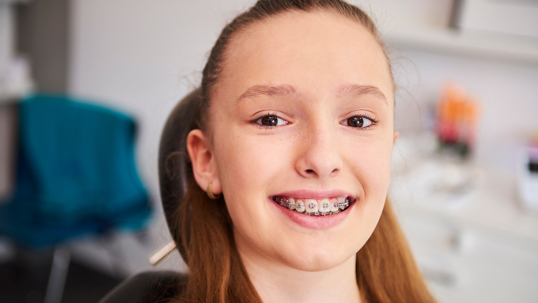
Most comprehensive orthodontic treatments take 12 to 24 months, but your exact timeline depends on your bite, the appliance used, and how closely you follow your orthodontist’s instructions. If you’re asking how long do you need to wear braces, the short answer is that it varies by case complexity and cooperation. Below, you’ll find typical timeframes, the factors that speed or slow progress, and what to expect from your first visit through retainers.
Average Treatment Timeframes by Type of Braces
Every smile is unique, but these ranges reflect common experiences across patients and appliances.
Typical duration by appliance:
Traditional metal braces: 18–24 months for most comprehensive cases. Durable, efficient, and suitable for mild to severe concerns.
Ceramic braces: 18–30 months. Similar to metal braces, but tooth movement can be slightly slower due to added friction and gentler force levels to protect ceramic brackets.
Clear aligners (e.g., Invisalign): 6–24 months depending on complexity. Mild cases may finish sooner; bite corrections often require attachments or elastics and take longer.
How complexity affects timing:
Minor concerns (small gaps or mild crowding): about 6–12 months, often well suited for aligners.
Moderate issues (noticeable crowding/spacing, mild bite discrepancies): about 12–18 months with braces or aligners.
Severe cases (significant crowding, impacted teeth, major bite correction): 18–30+ months, typically with braces, elastics, and occasionally additional procedures.
Age-based averages:
Children (mixed dentition): 12–24 months for phase-specific goals; comprehensive treatment may follow once adult teeth erupt.
Teens: 12–24 months on average; ongoing growth can make some corrections more efficient.
Adults: 18–30 months for comprehensive care; bone remodels more slowly, but excellent compliance can balance the timeline.
Key Factors That Determine How Long You’ll Wear Braces
Your orthodontist will assess clinical findings and lifestyle factors to create a realistic estimate. Understanding these elements helps answer the question, how long do you need to wear braces, with greater precision.
Severity and type of orthodontic issues:
Crowding and spacing: Mild issues resolve faster; severe crowding may require expansion, interproximal reduction, or extractions, which can add months.
Bite problems: Overbite, underbite, crossbite, and open bite often extend treatment because they involve tooth movement and jaw relationship adjustments.
Tooth eruption challenges: Impacted or unerupted teeth can significantly lengthen treatment while they are guided into place.
Patient-related factors:
Age: Younger patients may experience slightly faster movement due to active bone remodeling; adults move teeth effectively but may need more time for large corrections.
Oral hygiene: Inflammation slows progress and can require appointment delays. Clean, healthy gums support predictable movement.
Compliance: Wearing elastics as prescribed, keeping aligners in 20–22 hours a day, avoiding broken brackets, and attending appointments are the biggest timeline boosters.
Treatment choices and biology:
Appliance selection: Braces versus aligners can affect efficiency depending on your goals; your orthodontist will recommend the best fit for your case.
Tooth movement rates: Biology varies. Bone remodeling speed and periodontal health influence how quickly teeth can safely move.
Interdisciplinary needs: Coordinating with your dentist, periodontist, or oral surgeon may add steps, but these improve long-term outcomes.
Step-by-Step Braces Treatment Timeline
Knowing the process helps you plan and stay on track from day one, and it clarifies how long do you need to wear braces for your specific situation.
1) Initial consultation and records
Consultation (30–60 minutes): Review your concerns, receive a clinical exam, and discuss options and timing.
Records (30–60 minutes): Digital scans or impressions, photos, and X-rays capture tooth and jaw positions.
Treatment planning: Your orthodontist designs a customized plan. You’ll receive an estimated timeline and cost details at or shortly after this stage.
2) Appliance placement
Braces placement (60–120 minutes): Brackets are bonded and wires are placed. You’ll get instructions for comfort and care.
Clear aligner delivery (30–60 minutes): You’ll receive initial trays, attachments if needed, and wear guidelines.
3) Active adjustment phase
Appointment cadence: Typically every 6–10 weeks for braces or aligners.
What happens: Progressive archwires for braces, elastics for bite correction, and staged aligner sets with possible refinements to fine-tune results.
Comfort: Mild soreness for a few days after adjustments is common and manageable with over-the-counter pain relief and a soft-food diet.
4) Debonding and finishing
Removal (30–60 minutes): Brackets come off, adhesive is polished, and final photos/scans are taken.
Retainers: Delivered the same day or within a few days. Expect full-time wear at first, then transition to nighttime wear as advised.
5) Retention and follow-up
Monitoring: Follow-up visits ensure retainers fit well and teeth remain stable.
Long term: Retainers are essential to prevent relapse. Many patients benefit from indefinite nighttime wear.
Ways to Potentially Shorten Your Braces Time, Safe and Effective
There are no magic shortcuts, but consistent habits and guided techniques help keep treatment efficient.
What you can do:
Keep excellent oral hygiene: Brush after meals, floss daily, and use fluoride toothpaste. Healthy gums allow smoother tooth movement.
Follow instructions precisely: Wear elastics as prescribed, keep aligners in 20–22 hours daily, and avoid foods that can break brackets.
Stay on schedule: Don’t miss appointments. Regular adjustments maintain momentum.
Orthodontist-guided options:
High-frequency vibration devices and micro-osteoperforations: May help in select cases; benefits vary and require professional supervision.
Customized appliances and digital planning: Indirect bonding, custom wires, and 3D-planned aligners can enhance precision and efficiency.
Interproximal reduction or extractions when indicated: Creating the right space can prevent stalling and reduce unplanned detours.
Misconceptions and risks:
“Tighter” adjustments don’t speed results. Excessive force can damage roots and gums and actually prolong treatment.
DIY or mail-order tooth movement is risky and may cause permanent harm. Always work under the supervision of a board-certified orthodontist.
When Treatment May Take Longer Than Expected and What to Do
Even with a solid plan, timelines can change. Early communication and quick adjustments keep you on course.
Common causes of delays:
Missed or irregular appointments that extend intervals between key adjustments.
Poor elastic or aligner wear that stalls bite corrections.
Broken brackets or attachments that interrupt planned movement.
Unerupted or impacted teeth that require guidance or coordination with oral surgery.
Relapse from inconsistent retainer wear during or after treatment.
How orthodontists adjust mid-course:
Progress checks: If movement lags, your orthodontist may change wire sequences, revise elastic patterns, or order an aligner refinement set.
Updated timeline: You’ll receive a revised estimate and a focused plan to regain momentum.
Interdisciplinary referrals: Collaboration with your general dentist or specialists removes roadblocks and protects oral health.
Protecting your results:
Commit to retainers: Expect full-time wear initially, then nighttime wear long term. Consistent use is the best way to preserve your new smile.
Maintain hygiene and routine checkups: Professional cleanings and exams support healthy, stable outcomes.
Report issues early: If a retainer feels loose or teeth feel like they’re shifting, contact your orthodontist promptly.
If you’re still wondering how long you need to wear braces, remember that the most reliable estimate comes after a thorough evaluation. With steady progress, good hygiene, and consistent follow-through, you’ll move efficiently from braces to retainers and a confident, stable smile.