
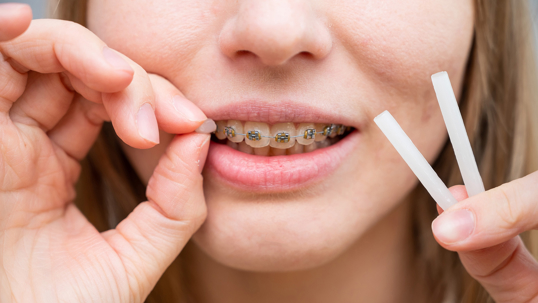
Orthodontic wax is a simple, effective way to protect your cheeks, lips, and gums from irritation while you adjust to braces or other appliances. If a wire is poking or a bracket feels rough, wax can cushion the area so you stay comfortable between appointments. Below, you’ll find when to use it, how to apply it correctly, and smart tips to keep your mouth healthy. This guide walks you through how to use orthodontic wax and other essentials so you can get quick relief at home.
When and Why to Use Orthodontic Wax
Wax is especially helpful during the first few days with new braces, after adjustments, or any time a part of your appliance rubs your soft tissues.
Common reasons to use wax: poking or protruding wires, rough or rotated brackets, new appliances (braces, expanders, attachments), and small mouth sores where tissues are rubbing.
How wax helps: it creates a smooth barrier over sharp or rough spots, reduces friction and pressure, protects healing tissue, and offers short-term relief until a professional fix is available if needed.
Contact your orthodontist instead of relying on wax if:
A wire has slipped out of a back bracket or is bent
A bracket or band has fully come loose
A wire is poking so severely that wax won’t stay or is cutting tissue
You have significant pain, swelling, or signs of infection
You keep running out of wax because the same issue keeps returning
Remember: wax is a comfort aid, not a repair. Persistent problems should be evaluated by your orthodontic team. If you’re unsure how to handle a specific issue, call your provider for guidance.
Step-by-Step Guide: How to Apply Orthodontic Wax
Prepare the area
Wash your hands thoroughly.
Brush your teeth and gently clean around the problem bracket or wire.
Dry the spot with a tissue or cotton swab. Dryness is key, wax sticks best to a dry surface.
Shape and place the wax
Pinch off a small, pea-sized piece of wax.
Roll it between clean fingers until soft and pliable.
Press it directly onto the bracket, hook, or wire causing irritation, covering the rough edge fully while avoiding the gums.
Tips for comfort and a secure fit
Gently bite to mold and flatten the wax so it feels smooth.
Check that it stays in place when you talk and swallow.
Reapply as needed, wax can dislodge during eating or brushing.
If it won’t stick, re-dry the area and try a slightly larger piece.
For a stubborn sharp wire, layer a thin piece first, then add a second small piece for extra cushioning.
If you want a quick refresher while you’re away from home, carry a small travel pack and a tissue to dry the spot before reapplying.
Removal, Safety, and Practical Tips
How to remove wax
Wash your hands.
Lift an edge with clean fingers, a cotton swab, or the back of an interdental brush, then peel it off.
Brush gently to remove any residue.
Is it safe if you swallow wax?
Yes. Dental wax is non-toxic and safe to swallow in small amounts. Simply replace it if needed.
When to replace wax
Anytime it falls off or dislodges during meals
After brushing and flossing
At least once daily to keep the area clean and fresh
Hygiene and safety
Store wax in its clean container and keep it dry.
Do not reuse wax, discard and use a fresh piece each time.
Avoid pressing wax onto the gums, which can trap plaque and irritate tissue.
Keep wax away from small children and pets to prevent swallowing large pieces.
Helpful home remedies
Warm saltwater rinses (1/2 teaspoon of salt in 8 ounces of warm water) to soothe sore spots
Over-the-counter oral gels for minor irritation as directed
Sugar-free gum in a pinch to cushion a sharp area briefly (wax is more effective)
Orthodontic silicone as an alternative if you prefer a firmer feel
Using orthodontic wax alongside these comfort measures helps keep your mouth comfortable and supports healing between visits.
When to Schedule an Appointment
Sores that don’t improve within a week
Needing wax repeatedly on the same spot
Broken or detached parts of your appliance
Pain that interferes with eating, speaking, or sleeping
Your orthodontic team can trim wires, resecure brackets, and offer additional comfort solutions so you can continue treatment with confidence. If at any time you feel unsure about using orthodontic wax for a persistent problem, schedule a check-in to prevent further irritation.