
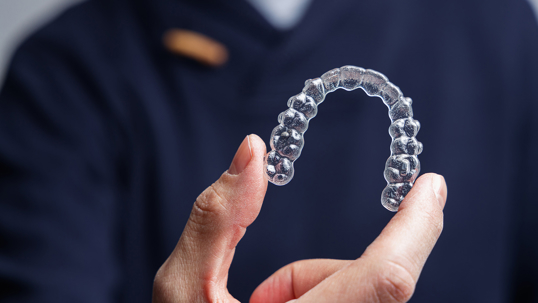
Losing a retainer happens more often than you might expect, and acting quickly helps protect the results of your orthodontic treatment. Retainers hold teeth in their corrected positions after braces or clear aligners, and even short breaks in wear can allow subtle shifting. If you are wondering what to do if you lose your retainer or asking yourself what you do if you lose your retainer, the guidance below outlines immediate steps to take, what to expect from a replacement visit, signs your teeth may be moving, and practical tips to prevent future losses.
Why Losing a Retainer Matters
After orthodontic treatment, teeth naturally tend to drift toward their original positions. The periodontal ligaments and supporting bone need time to stabilize around the new alignment. Early on, relapse can begin within days or weeks without a retainer. While this tendency lessens over time, it never fully disappears, which is why long-term retention is crucial.
The impact of a lost retainer depends on the type you use:
Removable retainers: If you lose a removable retainer, you immediately lose nightly (or full-time) retention, and your teeth are free to shift until you’re back in a well-fitting retainer.
Fixed (bonded) retainers: These thin wires are glued behind select teeth and provide constant retention. If a bonded retainer breaks or debonds, teeth can move without you noticing, and the area may become irritated.
Both situations call for prompt attention. However, losing a removable retainer often leads to faster, more noticeable changes because there’s no retention at all. Delaying replacement can cause small shifts that compound into crowding, spacing, or bite changes like new interferences or midline shifts. In more advanced cases, limited orthodontic treatment may be needed to recapture ideal alignment. Acting quickly keeps your smile stable and reduces the risk of additional treatment. If you are searching for what to do if you lose your retainer, the short answer is to contact an orthodontic office as soon as possible to arrange a replacement and avoid relapse.
Immediate Steps to Take When You Realize It’s Lost
Start by staying calm and checking for any early movement. Run your tongue along the edges of your front teeth to feel for roughness or a new “step” between teeth. Look in a mirror for tiny gaps reopening, uneven corners, or crowding. If you have an older spare retainer and it still slides in comfortably without force, wear it until your visit. For anyone asking what do you do if you lose your retainer today, stabilizing with a comfortable spare is a smart first move.
Next, launch a focused search. Retainers commonly go missing in the following places:
Napkins, food trays, and restaurant tables
Backpacks, purses, gym bags, and jacket pockets
Nightstands, bathroom counters, and sink areas
Couch cushions, car cup holders, and under car seats
Check your retainer case carefully, appliances can cling to the lid or a towel inside. Retrace the last 24–48 hours, including meals, classes, practices, work breaks, and travel checkpoints. If you stayed at a hotel or visited a friend, call to ask if a retainer was found.
Protect your alignment while arranging a replacement. Avoid DIY fixes if you find a cracked retainer. Heating, bending, or gluing can distort the fit and harm teeth or gums. Do not wear a warped or painful retainer, forcing it can push teeth the wrong way. If a bonded retainer is loose or broken, stop picking at it; use orthodontic wax to reduce irritation and contact an orthodontic office right away.
How Replacement Typically Works
At your visit, the team will start with a brief exam to check your current alignment and look for early relapse. They will evaluate your bite, spacing, and gum health and confirm whether your previous retainer style is still the best option. Next comes digital scans or impressions to capture an accurate model of your teeth. Once records are complete, the new retainer is fabricated and wear and care instructions are reviewed.
Several replacement options are commonly offered and can be tailored to your needs:
Clear removable retainers (Essix-style): Discreet, snug-fitting trays worn nightly for long-term maintenance.
Hawley retainers: Acrylic base with a front wire; durable, adjustable, and allows slight bite settling.
Bonded (fixed) retainers: Thin wires attached behind select teeth, commonly the lower front teeth, for constant retention without daily wear responsibility.
The recommendation depends on your treatment history, relapse risk, and lifestyle. Many patients benefit from a bonded retainer plus a clear removable retainer worn at night as a backup.
If you need a quick turnaround, ask about same-day or expedited options. Clear removable retainers can often be produced the same day or within 24–48 hours, depending on schedule and lab capacity. Costs vary by retainer type and whether you choose a backup set. Some insurance plans offer limited replacement coverage. Benefits can be verified and a transparent estimate provided.
Signs Your Teeth Are Shifting and When to Seek Care
Subtle changes are easiest to correct when caught early. Watch for:
Small spaces reopening between front teeth
New crowding, especially along the lower front teeth
Difficulty fully seating an old retainer that used to fit
Tenderness when biting or a tooth edge that feels higher or lower than before
A bite that no longer meets evenly
If your retainer suddenly feels tighter after a few nights without it, that’s a strong sign minor relapse has started.
Timing matters. If you lost your retainer within a few days and have no symptoms, reach out and aim to schedule a replacement within a week. If you notice tightness, new gaps, or bite discomfort, plan to be seen within a few days. If a bonded retainer breaks or debonds, call immediately; stabilization of the area is a priority. For readers seeking what to do if you lose your retainer, early communication with an orthodontic office is the most effective step to keep movement minimal.
Preventing Future Loss and Caring for Your New Retainer
Consistent habits keep your retainer safe and effective:
Always store your retainer in its case when not in your mouth. Avoid napkins, pockets, or loose storage.
Choose a dedicated home spot, like a nightstand tray or bathroom shelf, and use it every time.
When traveling, keep your case in your personal bag. Avoid food trays and hotel counters where items are easily forgotten.
Build a simple cleaning routine:
Rinse with cool or lukewarm water after removal and before reinsertion.
Brush gently with a soft toothbrush and mild, non-abrasive soap. Skip hot water and whitening toothpaste.
Use retainer-safe cleansing tablets as directed for deeper cleaning, and wash and air-dry your case regularly.
Use tools and reminders to lower the risk of loss:
Pick a brightly colored case that’s easy to spot and label it with your contact info.
Set phone alerts around meals and bedtime.
Keep a spare case in your bag or locker.
Consider ordering a backup retainer. If the primary is lost, switch to the backup right away and contact an orthodontic office to make a new set. Long term, plan to maintain retention indefinitely, nightly wear for life is often the best insurance against relapse. If your retainer ever stops fitting comfortably, don’t force it. If you are unsure what you do if you lose your retainer in the future, remember: wear your backup, call promptly, and avoid DIY fixes. For anyone still wondering what to do if you lose your retainer, acting fast keeps movement minimal and protects your results.
Next Steps
If you’ve lost your retainer, reach out as soon as possible. Schedule a prompt visit, review options, and get back into a well-fitting retainer quickly. With timely attention and a few simple habits, you can protect your hard-earned smile and avoid the stress of another lost retainer. For those still asking what to do if you lose your retainer or wondering what you do if you lose your retainer, the key is to act fast: search carefully, use a backup if it fits comfortably, and arrange professional replacement without delay.