
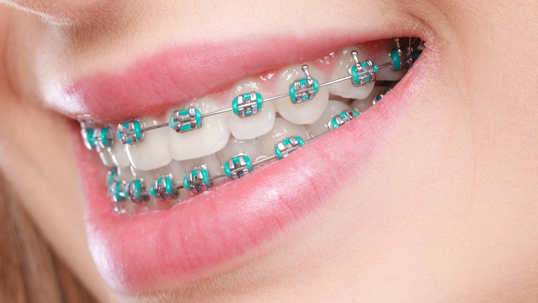
Planning for treatment starts with understanding the cost of braces in Texas and how to make care fit your budget. Below, you will find typical price ranges by appliance type, the key factors that affect fees, what insurance may cover, and practical ways to save, whether you are seeking care for a child, teen, or yourself.
Average Cost of Braces in Texas
Total fees reflect the appliance selected, the complexity of tooth and bite correction, and the length of treatment. While an in-person evaluation is the best way to get an exact quote, these ranges can help you benchmark the cost of braces in Texas.
Type of Treatment | Typical Price Range | Notes |
Traditional metal braces | $3,000–$7,000 | Reliable and versatile for a wide range of cases |
Ceramic (tooth-colored) braces | $4,000–$8,500 | More discreet; materials typically cost more |
Clear aligners | $3,500–$8,000 | Nearly invisible; cost varies by brand and complexity |
What is typically included: Most comprehensive orthodontic fees cover diagnostic records (photos, digital scans or impressions, and X-rays), appliance placement, routine adjustment visits, supplies such as wires and elastics, and an initial set of retainers. Ask whether replacement retainers and extended retention visits are part of your plan or billed separately.
Consultation fees: Many orthodontic offices offer complimentary consultations. If there is a fee, it commonly ranges from $0–$150 and may include records. Confirm whether the fee is applied toward treatment if you move forward.
Choosing the right option: Metal braces are usually the most cost-effective. Ceramic braces provide a low-profile appearance at a moderate premium. Clear aligners offer discretion and removability, with costs tied to the number of aligners and any refinements needed.
What Affects the Cost of Braces
Understanding your out-of-pocket estimate can help you compare options with confidence.
Age and treatment type: Some children benefit from early, growth-guiding care (Phase 1) using partial braces, expanders, or other appliances. A second phase may follow when permanent teeth arrive. Teens and adults typically complete comprehensive treatment; adult care may require additional planning due to previous dental work or gum considerations.
Complexity of the case: Issues like crowding, spacing, crossbites, open bites, and jaw discrepancies influence the number of appointments, appliances, and stages. Cases requiring bite correction with elastics, temporary anchorage devices, or surgical coordination generally carry higher fees.
Treatment duration and retention: Longer timelines (often 18–30 months) increase overall cost. Retainers and retention check-ins help keep results stable; verify what your fee includes and whether refinements or extended retention are covered.
Practice and technology: Fees can vary by location, provider experience, and tools such as digital scanning and 3D planning. Advanced technology may streamline visits and improve comfort, which some families prefer even at a slightly higher cost.
Braces Options for Every Age
The best solution depends on growth stage, goals, and lifestyle. Here is what to consider for each group.
Children: The American Association of Orthodontists suggests an initial evaluation by age 7. Early treatment can guide jaw growth, make space for incoming teeth, and sometimes prevent extractions later. Phase 1 care often costs less than full braces but may be followed by a second phase to finalize alignment when permanent teeth have erupted.
Teens: Teens can choose from metal braces, ceramic braces, or clear aligners. Metal braces are known for durability and efficiency. Ceramic braces appeal to those who prefer a more subtle appearance. Clear aligners can be a strong choice for responsible wearers who can keep up with recommended wear time. Many systems offer colored bands or clear components to match personal preferences.
Adults: Adults often prefer low-visibility options that fit professional and social settings. Ceramic braces and clear aligners are popular, and adult treatment may involve coordination with a general dentist or specialists to address restorations, gum health, or missing teeth. These factors can influence both timing and cost.
How Insurance Helps Pay for Braces
Dental insurance can significantly reduce out-of-pocket expenses, but benefits vary by plan. A quick review of your policy before starting ensures clarity.
Confirming coverage: Review the orthodontic section of your dental plan for details on lifetime maximums (often $1,000–$2,500), percentage coverage (commonly 50% up to the maximum), age limits, and whether adult orthodontics are included. Ask your orthodontic office to submit a pre-authorization so you know what to expect.
Typical plan features: Many employer-sponsored PPO plans offer partial coverage paid in installments over the course of treatment. Some Medicaid programs in Texas may cover qualifying children if treatment is deemed medically necessary. Marketplace plans differ widely; read benefit summaries carefully for orthodontic specifics.
Maximizing benefits: Use pre-tax funds through a Flexible Spending Account or Health Savings Account. If your plan pays over time, consider starting treatment to span plan years. Confirm in-network requirements when applicable, and keep documentation for claims and FSA/HSA reimbursement.
How this relates to the cost of braces in Texas: Knowing your plan’s orthodontic provisions helps you anticipate the portion insurance pays and the portion you will finance, which directly affects the total cost for families across the state.
Making Braces More Affordable
There are several ways to manage the cost of braces in Texas, even without extensive insurance coverage.
Payment plans and financing: Many orthodontic practices offer in-house monthly payment plans with low down payments and little to no interest. Third-party financing can extend payments over a longer period; review approval criteria, terms, and interest rates to find the best fit.
Programs and resources: For eligible children with medical necessity, Texas Medicaid and CHIP may provide coverage. Dental schools and orthodontic residency clinics may offer reduced-fee services. Community health programs or nonprofit initiatives occasionally sponsor care for qualifying families.
Protecting your investment: Strong home care helps avoid repair fees and delays. Brush and floss thoroughly, use a mouthguard during sports, and follow food guidelines to prevent broken brackets and wires. Keep all scheduled visits to stay on track, and store retainers in a case to prevent loss or damage.
Next steps: Schedule a consultation to receive a personalized plan and transparent cost breakdown. Ask about what your fee includes, retainer policies, bundled pricing, and any available family discounts or seasonal promotions that can lower your total cost.
Bottom line: With a clear understanding of the cost of braces in Texas, benefits available through insurance or public programs, and flexible financing, most families can find a path to confident, healthy smiles that fits their goals and budget.