
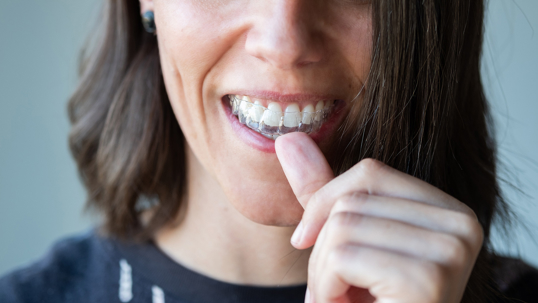
If you want a straighter smile without metal brackets and wires, Invisalign may be a great fit. This system uses a series of clear, removable aligners to gently guide teeth into position. It is discreet, convenient, and designed to work with everyday life. Below, you will learn what to know about getting Invisalign, including how it works, what the treatment journey looks like, cost and insurance basics, and how to care for your aligners so you can feel confident from start to finish.
Understanding Invisalign
Invisalign is an orthodontic treatment that relies on custom-made, clear plastic aligners to gradually move teeth. After a digital scan of your mouth, your orthodontist maps out each step of tooth movement. You will wear each set of aligners for about 1 to 2 weeks, and the trays apply gentle, controlled forces to reach the next stage of your plan.
Compared with traditional braces, Invisalign aligners are nearly invisible and can be removed for eating, brushing, and flossing. Many patients also find them more comfortable because there are no brackets or wires. That said, braces can be the better option for certain complex tooth movements, while Invisalign is highly effective for many mild to moderate cases with a more discreet look and fewer dietary limitations.
Good candidates include teens and adults with mild to moderate crowding, spacing, overbite, underbite, or crossbite. Success depends on consistent wear, so patients should be able to keep aligners in 20 to 22 hours per day. Severe bite discrepancies, significant rotations, or specific skeletal issues may respond better to braces or a combined approach. A consultation with an orthodontist will confirm the best path to meet your goals.
Invisalign Treatment Process
At your initial consultation, your orthodontist will review your dental and medical history, take digital scans or impressions, and capture photos and X-rays. You will see a preview of your anticipated results and receive a personalized plan with estimated timelines and costs. This is the ideal time to ask about wear time, attachments (small, tooth-colored bumps that help aligners grip), refinements, and retainer plans after treatment.
Most Invisalign treatments take about 6 to 18 months, though some cases finish sooner and complex cases can take longer. You will switch to a new set of aligners every 1 to 2 weeks and attend periodic appointments to monitor progress and make any needed adjustments. Many practices also offer virtual check-ins to help you stay on track between in-person visits.
Wearing aligners as directed is the key to predictable results. Keep them in for 20 to 22 hours each day, removing them only for meals, snacks, and oral hygiene. Skipping wear time or advancing trays too soon can delay progress and affect your final outcome. Always store aligners in their case when they are not in your mouth to prevent loss or damage.
Cost and Insurance Considerations
The cost of Invisalign depends on case complexity, treatment length, and your location. Typical fees range from about $3,000 to $7,000. Your total may include digital scans, aligners, attachments, office visits, refinements, and retainers. Ask for an itemized estimate so you understand exactly what is covered.
Many dental insurance plans include orthodontic benefits that apply to Invisalign similarly to braces. Coverage often comes as a lifetime orthodontic maximum, commonly between $1,000 and $3,000, depending on your plan. Pre-authorization can help clarify expected out-of-pocket costs. You can also use HSA or FSA funds for eligible expenses.
To make treatment more affordable, many practices offer flexible financing with monthly payments, in-house plans, or third-party financing. Zero- or low-interest options may be available for qualified patients. Be sure to discuss down payments, interest, and any associated fees so you can choose a plan that fits your budget comfortably.
Care and Maintenance of Aligners
Clean aligners daily with a soft toothbrush and clear, unscented soap, then rinse with lukewarm water. Avoid hot water, which can warp the plastic. For a deeper clean, use aligner-cleaning crystals or tablets as your orthodontist recommends. Brush and floss after meals before putting aligners back in to prevent staining and plaque buildup.
Mild tenderness or pressure is common when switching to a new set of aligners and typically improves within a day or two. Over-the-counter pain relievers, a cold compress, and starting a new tray at night can help. If edges feel rough or uncomfortable, contact your orthodontist; they can smooth or adjust the aligner for better comfort.
There are no strict dietary restrictions because aligners are removed for eating and drinking. However, only drink water while wearing them to avoid staining and cavities. After coffee, tea, wine, or sugary beverages, rinse your mouth and clean your aligners before reinserting. Keep aligners in their case during meals to avoid loss or damage.
Quick Reference: Invisalign at a Glance
Topic | Key Points |
How it works | Series of custom clear aligners that gently move teeth in planned stages. |
Wear schedule | 20 to 22 hours daily; switch trays every 1 to 2 weeks as directed. |
Treatment time | Average 6 to 18 months; varies by case complexity and compliance. |
Ideal candidates | Teens and adults with mild to moderate crowding, spacing, or bite issues. |
Cost range | Typically $3,000 to $7,000; insurance and HSA/FSA may reduce costs. |
Care tips | Clean daily, only water while wearing, store in case, avoid hot water. |
Is Invisalign Right for You?
If you want a low-profile, removable option and can commit to consistent wear, Invisalign can be an effective way to straighten your smile. An orthodontic consultation will confirm whether Invisalign, braces, or a combination approach best suits your needs. With a clear plan, consistent wear, and good oral hygiene, you can achieve a healthy, confident smile with fewer lifestyle disruptions.
As you consider what to know about getting Invisalign, remember that success comes from choosing the right provider, following your wear schedule, and maintaining excellent home care. Reviewing what to know about getting Invisalign before you start will help you set realistic expectations for timing, comfort, costs, and long-term retention so you can move forward with confidence.