
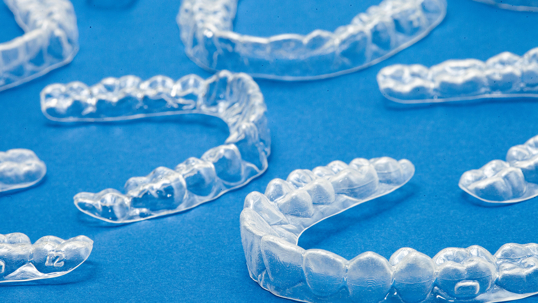
Thinking about straightening your smile but unsure what to believe about clear aligners? Invisalign has modernized orthodontics with a nearly invisible, removable system, yet misinformation persists. This guide clarifies the facts so you can make informed decisions and addresses common Invisalign myths that often cause confusion. If you are weighing Invisalign against braces, curious about comfort and cost, or wondering how long treatment takes, you will find straightforward answers here that sort fact from common Invisalign myths.
Overview of Invisalign
Invisalign uses a series of custom, clear plastic aligners that gradually move teeth into better positions. Your orthodontist captures digital scans to map your bite and plan each step of movement. You typically wear each aligner set for one to two weeks before advancing to the next, following the sequence outlined in your treatment plan. Because aligners are removable, you can eat what you enjoy and maintain your brushing and flossing routines, and you can briefly remove them for special events.
Unlike traditional braces, there are no brackets or wires. The smooth, nearly invisible trays are comfortable and discreet, though they do require dedication. For best results, aligners should be worn 20 to 22 hours per day. Both braces and aligners can create excellent outcomes; the right choice depends on your needs, goals, and lifestyle.
Invisalign is well suited for teens and adults who want a flexible, low-profile approach to orthodontics. Many mild and moderate concerns, and select complex bite issues, can be addressed. An experienced orthodontist will evaluate your smile and determine whether Invisalign is an appropriate path for your case.
Myth #1: Invisalign Is Only for Minor Orthodontic Issues
It is not true that Invisalign only fixes small gaps or slightly crooked teeth. Today’s Invisalign systems, guided by orthodontic expertise, are designed to treat a wide range of concerns, including crowding, spacing, overbite, underbite, crossbite, and open bite. Small, tooth-colored attachments bonded to certain teeth can enhance aligner grip for more complex movements. Elastics may also be used to help correct the bite relationship.
Many individuals with moderate or even more involved cases achieve excellent results with aligners. Crowded arches that once required braces can often be treated with a combination of aligners, attachments, and elastics. While some very severe or unique situations may still be better served by braces, aligners now go far beyond minor cosmetic corrections.
The key is a personalized plan monitored by a qualified orthodontist. With the right diagnostics, planning, and oversight, Invisalign can be as effective as traditional braces for a wide array of cases. A consultation will help you understand which option best matches your anatomy and objectives.
Treatable with Invisalign: crowding, spacing, and many bite discrepancies
Tools that expand capability: attachments for complex movements and elastics for bite correction
When braces may be recommended: very severe or highly specific cases
Myth #2: Invisalign Is Painful
Any orthodontic treatment can cause some short-term discomfort as teeth move. With Invisalign, most people describe a feeling of pressure or tenderness for a day or two after starting a new aligner. This is a normal sign that the trays are working and typically eases quickly.
Compared to braces, aligners often cause fewer soft tissue irritations because there are no brackets or wires to rub against cheeks or lips. The smooth, custom-fit trays are generally comfortable for daily wear. Still, aligners apply controlled forces, so mild soreness may occur, similar to the feeling after a braces adjustment.
Simple strategies can keep you comfortable as you progress:
Start new aligners at night so you sleep through the initial adjustment.
Use over-the-counter pain relievers if needed, following your provider’s guidance.
Apply orthodontic wax to any attachment edges that feel rough.
Seat aligners fully with chewies as directed to distribute pressure evenly.
Wear aligners consistently to help your mouth adapt more quickly.
Myth #3: Invisalign Is More Expensive Than Traditional Braces
Total cost depends on case complexity, treatment length, and location, but Invisalign is often comparable in price to braces. A typical Invisalign fee covers digital scans, custom aligners, regular monitoring, refinements if needed, and retainers upon completion. Braces fees include brackets, wires, adjustments, and retainers. In many cases, the overall investment is similar.
It is also important to consider long-term value. Because aligners are removable, it can be easier to brush and floss thoroughly throughout treatment, which may reduce the risk of issues like decalcification or gum inflammation. Aligners also avoid common emergencies like broken brackets or poking wires, which can save time and unexpected costs.
Payment options can make treatment more accessible:
Dental insurance often covers Invisalign at the same percentage as braces, up to a lifetime orthodontic maximum.
Flexible spending accounts (FSAs) and health savings accounts (HSAs) can be used to offset out-of-pocket costs.
Most orthodontic offices offer payment plans to spread expenses across the treatment period.
Myth #4: Invisalign Treatment Takes Longer Than Braces
Treatment time is driven by your unique bite and goals, not simply the appliance used. For many mild to moderate cases, Invisalign timelines are similar to braces, commonly ranging from 6 to 18 months. Some patients finish sooner with aligners due to precise digital planning and the ability to change trays at set intervals under professional supervision.
Several factors influence how long treatment takes:
Factor | Impact on Timeline |
Case complexity | More involved movements and bite corrections generally require more time. |
Wear-time consistency | Wearing aligners 20–22 hours daily keeps progress on schedule. |
Use of attachments/elastics | Enhances control and efficiency when used as directed. |
Response to movement | Individual biology can speed up or slow down tooth movement. |
Appointment adherence | Regular check-ins allow timely refinements and adjustments. |
Lost or damaged aligners | Interruptions can extend treatment length, similar to broken brackets with braces. |
Your commitment is a major variable. Wearing aligners as prescribed and attending scheduled visits helps your orthodontist guide treatment efficiently. When patients follow the plan closely, Invisalign can be just as fast as braces, and in some cases, even faster.
More Common Invisalign Myths to Know
Myth: Aligners stain easily. Fact: With regular brushing, rinsing, and avoiding hot or strongly pigmented drinks while trays are in, aligners stay clear. Replace each set on schedule to maintain clarity.
Myth: You cannot eat what you like. Fact: Since aligners are removable, you can enjoy most foods after taking them out. Brush before reinserting to keep teeth and trays clean.
Myth: Results are not permanent. Fact: As with braces, retainers are essential after any orthodontic treatment. Consistent retainer wear helps maintain your new smile long term.
Myth: Invisalign is only for adults. Fact: There are options designed for teens, and compliance indicators can help support wear-time habits.
Understanding these additional points helps cut through common Invisalign myths and sets realistic expectations for daily life during treatment.
Confidence Through Clarity
Invisalign is more capable, comfortable, and accessible than many people realize. It can treat a broad range of orthodontic concerns, typically at a cost comparable to braces, and with a timeline driven by your case and consistency. Mild pressure during new aligners is normal, but most patients adjust quickly and appreciate the smooth, discreet design.
If you are considering Invisalign, the most reliable next step is a professional consultation. A qualified orthodontist will assess your bite, discuss your goals, and recommend the best pathway, whether that is aligners, braces, or a combination. With accurate information and expert guidance, you can choose a treatment plan that fits your lifestyle and delivers the smile you want while avoiding decisions based on common Invisalign myths.