
Thinking about straightening your smile with clear aligners? One of the most common questions Texans ask is how much does Invisalign cost in Texas? and what factors shape the final fee. While pricing varies by case and location, understanding typical ranges, what influences those numbers, and your payment options can help you plan with confidence. Below, you’ll find a clear overview of average Invisalign costs in Texas, the elements that affect your price, ways to make treatment more affordable, and why choosing an experienced orthodontic team matters.
What Is Invisalign and How It Works
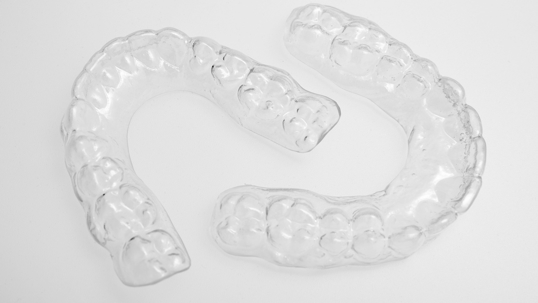
Invisalign is an orthodontic treatment that uses a sequence of custom, clear, removable aligners to gradually move teeth into healthier, more attractive positions. Aligners are nearly invisible and are designed to be worn 20 to 22 hours a day. Every one to two weeks, you progress to the next set as your teeth continue to shift.
Compared with traditional braces, Invisalign offers a discreet alternative without brackets or wires. You remove aligners to eat, drink anything besides water, brush, and floss, which makes daily hygiene easier and reduces emergency visits for broken wires or loose brackets.
Ideal candidates include teens and adults with mild to moderate crowding, spacing, overbites, underbites, and crossbites. Many complex cases can also be managed with Invisalign using attachments, elastics, and careful planning by a skilled orthodontist. A comprehensive exam, often including digital scans and x-rays, will determine if Invisalign is right for you.
Average Invisalign Cost in Texas
In Texas, Invisalign costs generally range from about $3,000 to $7,500. Most comprehensive cases fall between $4,500 and $6,500. Short, limited treatments aimed at minor alignment can be on the lower end, while more complex cases requiring longer treatment time and additional mechanics land higher. If you’re researching how much does Invisalign cost in Texas?, these averages provide a realistic starting point for budgeting.
Your total cost is influenced by several factors, including:
Case complexity and the amount of tooth movement needed
Total treatment length and the number of aligners
Use of attachments, elastics, or other auxiliaries
The orthodontist’s experience and treatment approach
Refinements needed to fine-tune your final result
Retainers after treatment may be included or charged separately, so it’s important to confirm what your quoted fee covers.
Costs can vary by city due to market conditions and overhead. As a general guide, smaller cities and suburban areas may trend toward the lower end of the range, while large metro areas like Houston, Dallas–Fort Worth, Austin, and San Antonio can trend higher. That said, the orthodontist’s expertise and what’s included in your fee often matter more than location alone. When comparing quotes, ask whether diagnostics, all aligners, refinements, retainers, and follow-up care are included.
What’s Typically Included in Your Fee
Service | Often Included? | Notes |
Initial consultation | Yes | Some offices offer complimentary consultations. |
Digital scans, photos, x-rays | Usually | Comprehensive diagnostics guide precise planning. |
All series of aligners | Yes | Includes the planned stages of tooth movement. |
Attachments and elastics | Usually | Used as needed for control and efficiency. |
Refinement aligners | Varies | Some plans include at least one refinement series. |
Retainers after treatment | Varies | Confirm type and number of retainers provided. |
Follow-up and retention checks | Usually | Ensures stability of results long term. |
Payment Options for Invisalign
Orthodontic practices often provide flexible financing to make Invisalign more manageable. Many patients select interest-free or low-interest monthly plans over 12 to 24 months, sometimes longer, with little to no down payment. Some offices also partner with third-party lenders that allow quick, soft-credit checks for pre-qualification.
Dental insurance may contribute if your plan includes orthodontic benefits. Coverage is commonly a fixed dollar amount or a percentage of the total cost up to a lifetime maximum. To maximize your benefits, have your orthodontic team verify eligibility, any waiting periods, age limits for dependents, and whether pre-authorization is needed. They can submit documentation and provide an estimate of your out-of-pocket costs before treatment starts.
Many patients combine strategies to reduce overall expenses and keep monthly payments predictable:
Apply dental insurance orthodontic benefits
Set up a monthly payment plan for the remaining balance
Some practices also offer courtesy discounts for payment in full or for multiple family members starting treatment. Always request a written estimate outlining what’s included and any optional upgrades. If you’re weighing how much does Invisalign cost in Texas? against your budget, these options can make treatment more accessible.
Benefits of Choosing Invisalign
Invisalign aligners are clear and low profile, making them a favorite for adults and teens who prefer a discreet treatment path. Most people will not notice you’re wearing them, which is a plus at work, school, and social events.
Comfort and convenience are key advantages. The smooth plastic reduces irritation, and because aligners are removable, there are no food restrictions, enjoy your favorite meals without worrying about breaking a bracket. Brushing and flossing are simpler than with fixed braces, which supports gum health throughout treatment.
Aligned teeth offer more than cosmetic benefits. Proper alignment makes cleaning easier, which can lower the risk of cavities and gum disease. A balanced bite helps reduce uneven wear, jaw strain, and chipping. Many patients also report a significant confidence boost as their smile improves.
How to Compare Invisalign Quotes
When you gather estimates, look beyond the headline number to ensure you’re comparing like for like. Ask for a written breakdown and confirm whether the fee includes:
All planned aligners and any mid-course corrections
Attachments, elastics, and auxiliary appliances if needed
At least one set of refinement aligners to fine-tune results
Retainers after treatment and retention check visits
Emergency visits and oversight throughout care
Also ask about expected treatment length, the number of check-ins, and the technology used for planning. Transparent details help you judge value, not just price, as you determine how much does Invisalign cost in Texas? for your specific needs.
Why Provider Experience Matters
The clinician’s experience with clear aligner therapy can influence both cost and outcomes. Providers who plan tooth movements precisely, anticipate challenges, and use evidence-based protocols may reduce the need for multiple refinements and extended timelines. That efficiency can help keep total costs predictable while supporting a high-quality result.
During your consultation, discuss goals, review simulated outcomes, and ask how the plan addresses bite function as well as aesthetics. A thorough approach balances smile appearance with long-term stability, which is essential for protecting your investment.
Frequently Asked Questions
How long does treatment typically take? Many cases finish in 6 to 18 months, though minor corrections can be shorter and complex bites can take longer. Wear time and consistent follow-ups are key to staying on schedule.
Is Invisalign more expensive than braces? For mild to moderate cases, costs are often comparable. Complex cases can vary depending on the appliances required, appointment frequency, and refinements.
Do I need retainers? Yes. Retainers maintain alignment after active treatment. Confirm if retainers and retention visits are included in your quote.
Next Steps
If you’re still asking how much does Invisalign cost in Texas?, the most accurate way to find out is to schedule a consultation for a customized assessment and itemized estimate. A comprehensive exam, including digital scans and x-rays, allows a precise plan and a clear, upfront quote. With a detailed breakdown, you can evaluate insurance benefits, use tax-advantaged funds like an FSA or HSA, and select a financing plan that fits your monthly budget.
A confident smile is an investment in oral health and self-esteem. By understanding average ranges, what’s included, and practical payment options, you can choose a path that aligns with your goals and finances, without surprises.